Critical Filtration Systems


Propulsion Reliability at Sea: The Ultimate Guide to Marine Engine Filtration
Engineered filtration solutions that protect propulsion systems when land-based support is not an option.
Out at sea, you can’t walk to the parts store. Ensure you have the right spares.
Type your filter number in the search bar now.
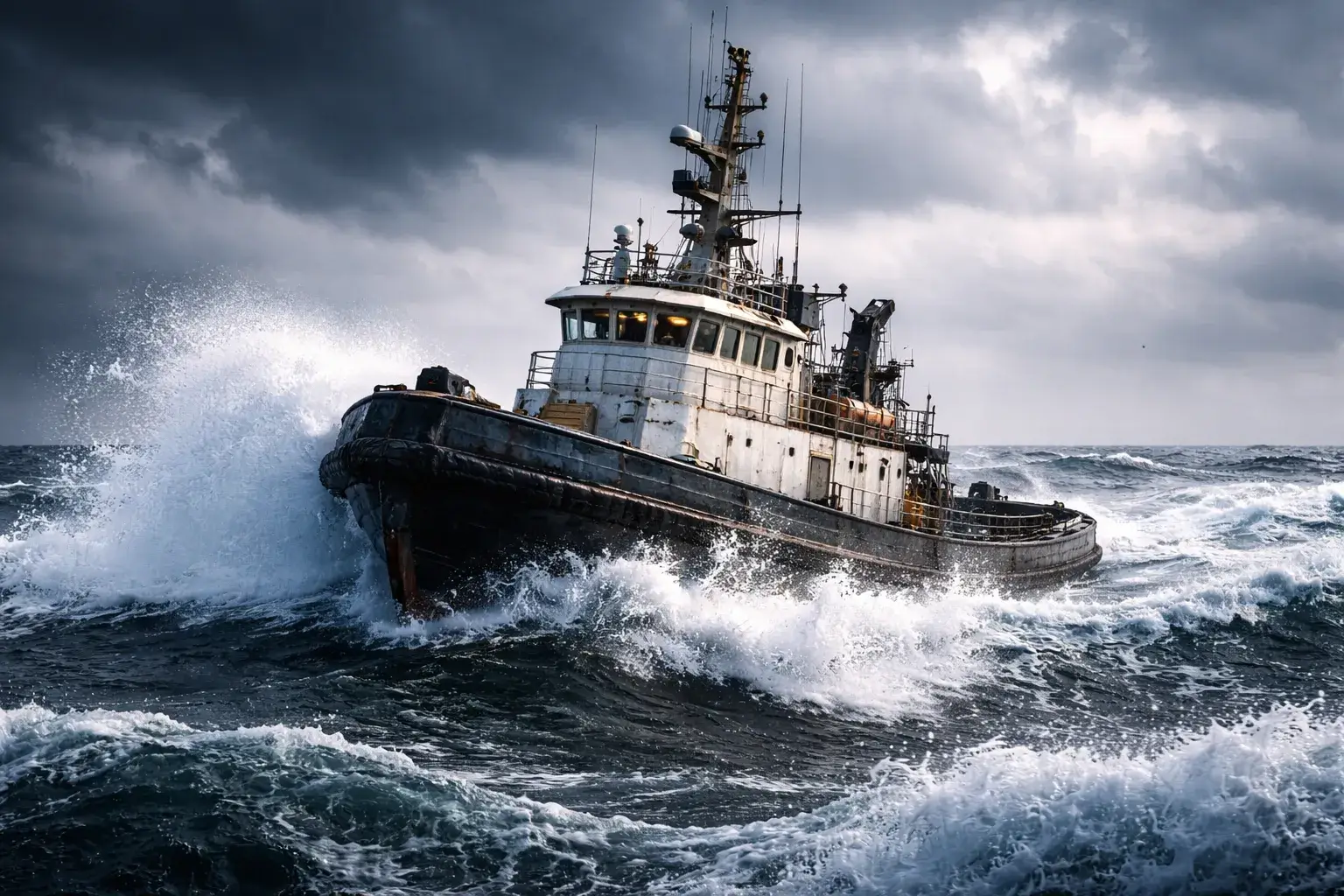
At Sea, Reliability Is Not Optional
Marine propulsion systems operate under conditions unlike any land-based application. Salt-laden
air, constant humidity, vibration, variable load profiles, and limited access to service support
combine to create an unforgiving environment. When a marine engine fails offshore, the consequences
extend far beyond downtime — safety, vessel integrity, and crew welfare are immediately at risk.
For vessel owners, captains, and marine engineers, filtration is not a consumable afterthought.
It is a primary line of defense against contamination that can disable propulsion, steering, or
auxiliary systems when recovery options are limited.
Why Marine Filtration Demands a Different Mindset
Marine engines face contamination threats that are less common in on-highway or industrial settings:
- Water intrusion from condensation and fuel handling
- Microbial growth in diesel fuel systems
- Salt aerosols entering engine rooms
- Soot loading during extended low-speed operation
- Hydraulic contamination affecting steering and control systems
These risks require filtration systems designed for continuous protection, not just routine
operation. In marine applications, preventive filtration is often the difference between a safe
voyage and a distress call.
Fuel System Protection: Water Is the #1 Enemy
In marine environments, water contamination is the most common and destructive fuel system threat.
Condensation forms inside tanks due to temperature changes, and fuel handling during refueling can
introduce additional moisture. Even small amounts of water can cause corrosion, injector damage,
and microbial growth.
This is why
Fuel/Water Separators
are considered mandatory equipment aboard most vessels. Racor-style systems are widely used
because they provide visible water separation and effective primary filtration.
Proper fuel/water separation:
- Prevents injector and pump damage
- Reduces microbial growth risk
- Improves combustion stability
- Protects engines during long voyages
Volvo Penta, Yanmar, or Cummins Marine?
Enter the OEM number
to find the marine-grade NewLine replacement.
Lubrication Management: Controlling Soot and Wear
Marine diesel engines often operate for long periods at steady load or low RPM, conditions that
promote soot formation. If not removed, soot accelerates oil degradation, increases viscosity,
and contributes to abrasive wear throughout the engine.
Centrifugal Lube Spinner Elements
are highly effective in marine applications because they remove soot and fine contaminants using
centrifugal force rather than traditional media restriction.
Benefits of centrifugal oil filtration include:
- Continuous soot removal without flow restriction
- Extended oil life
- Reduced engine wear over long service intervals
- Improved reliability during extended runs
Air Intake Protection in Engine Rooms
Unlike vehicles that draw air from outside, marine engines often pull intake air from enclosed
engine rooms. These spaces can accumulate oil mist, dust, insulation fibers, and salt aerosols,
all of which threaten intake cleanliness.
Bag Air Elements
are well-suited for engine room installations. Their large surface area and low restriction
characteristics support high airflow while capturing fine particulate contamination.
Clean intake air protects turbochargers, valves, and cylinder components, helping engines maintain
rated power and efficiency under sustained marine loads.
Hydraulic Filtration: Steering and Control System Safety
Many vessels rely on hydraulic systems for steering gear, stabilizers, winches, and control
functions. These systems operate under high pressure and must respond instantly to operator input.
Contamination in hydraulic fluid can cause valve sticking, pressure loss, or delayed response —
conditions that compromise vessel maneuverability.
Hydraulic Filters
protect steering gear and control circuits by removing wear debris and preventing recirculation
of contaminants. In marine applications, hydraulic reliability is directly tied to vessel safety.
Planning Spares for Offshore Operation
Unlike land-based equipment, vessels must carry their own spare parts. Incorrect or missing
filters cannot be corrected mid-voyage. Experienced marine engineers plan filtration spares
carefully, ensuring compatibility across engines and systems.
Search-based identification reduces risk when preparing for extended trips or refits.
- OEM filter number? Search it.
- Cross-reference needed? Search it.
- Multiple engines onboard? Standardize spares via search.
Don’t risk engine failure offshore.
Search your Part Number now.
Final Takeaway
The sea is unforgiving, and marine engines must be prepared to perform without second chances.
Proper filtration protects propulsion, steering, and auxiliary systems against contamination that
can end a voyage prematurely.
Use this guide to understand marine filtration risks and solutions. Use the category links to
select proven components. And before you cast off, use the search bar to confirm you have the
correct filters onboard — because once you leave port, reliability is everything.
Cross-Reference Brands