Critical Filtration Systems



Protecting Your Harvest: The Ultimate Guide to Agricultural Equipment Filtration
Keep tractors, combines, and harvest equipment running when timing matters most.
Harvest waits for no one. If you have the part number handy,
Type it in the search bar above
to verify stock instantly.
Agriculture Is Seasonal — Downtime Is Not an Option
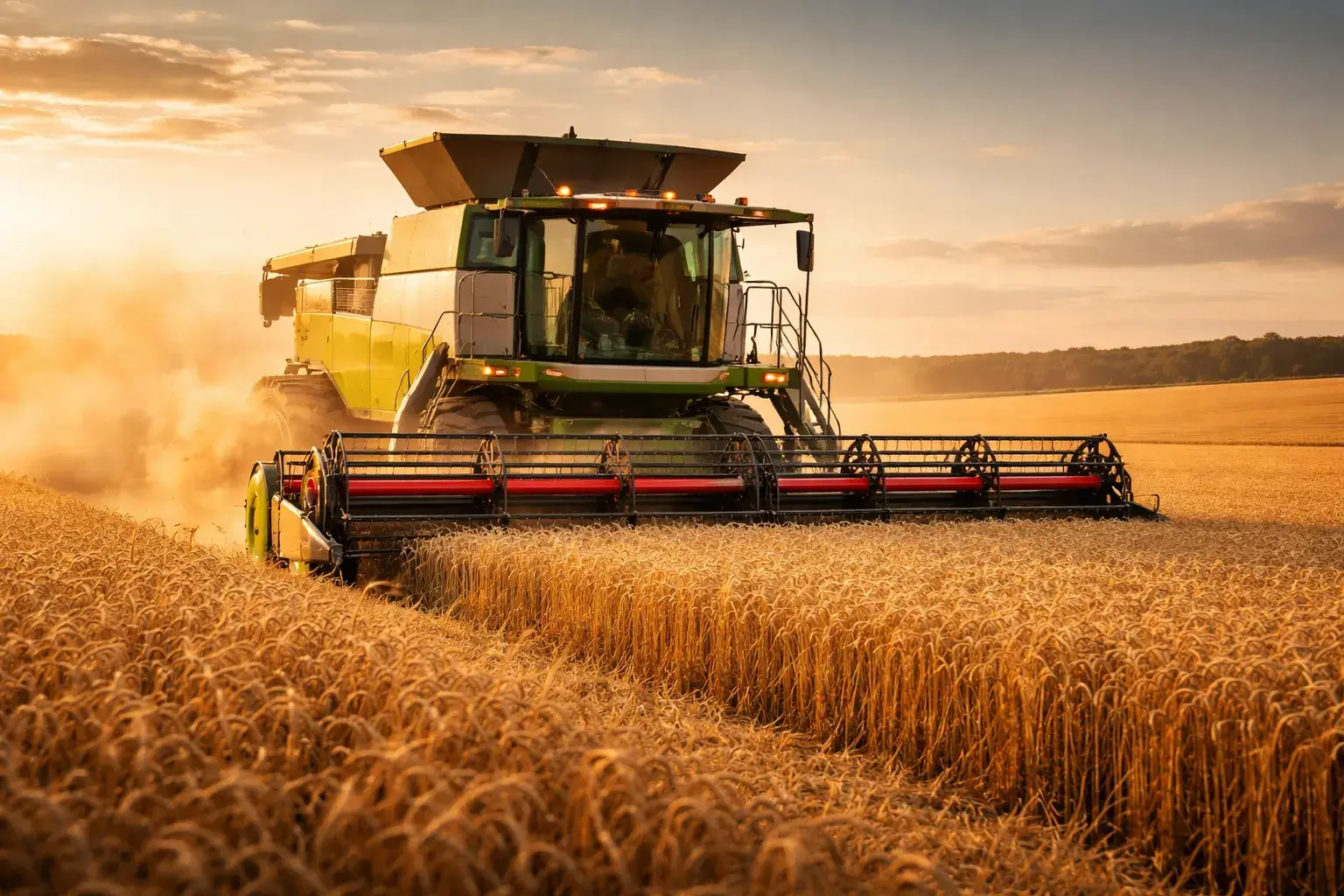
In agriculture, equipment does not operate on a fixed schedule — it operates on the season.
When harvest begins, tractors, combines, sprayers, and grain handling equipment often run
from dawn until well after dark. Any unplanned downtime during this window can mean lost yield,
reduced crop quality, and missed weather opportunities.
Unlike controlled industrial environments, farm machinery works in dust, chaff, straw, pollen,
moisture, and fluctuating temperatures. Filtration is not simply about protecting components —
it is about protecting the harvest itself.
Why Filtration Matters More During Harvest Season
Harvest conditions are uniquely harsh on agricultural equipment. Fine organic debris clogs air
systems, moisture contaminates diesel fuel stored on-farm, and hydraulic systems work under
constant load for extended hours. These factors dramatically increase the risk of contamination-related failures.
Common harvest-time issues caused by poor filtration include:
- Hydraulic sluggishness or failure in combines and headers
- Engine power loss due to restricted airflow
- Fuel injector damage from water-contaminated diesel
- Premature wear in transmissions and hydraulic pumps
Effective filtration keeps machines operating at full capacity throughout the season,
minimizing interruptions when every hour counts.
Hydraulic Systems: The Backbone of Modern Farm Equipment
Modern tractors and combine harvesters rely heavily on hydraulics for steering, lifting,
harvesting heads, unloading augers, and implement control. These systems operate under high
pressure and tight tolerances, making them extremely sensitive to contamination.
That is why Hydraulic Filter Elements
are essential for agricultural machinery. They remove wear particles, protect pumps and valves,
and help maintain smooth, responsive operation even during long harvest days.
When hydraulic filtration is neglected, contamination recirculates through the system,
accelerating wear and increasing the likelihood of costly mid-season repairs.
Air Intake Protection: Fighting Chaff, Straw, and Pollen
Few environments challenge air filtration like harvest. Combines and tractors pull massive
volumes of air through clouds of chaff, straw dust, and pollen. Without proper protection,
primary air filters clog rapidly, reducing engine performance and fuel efficiency.
Extend Service Life with Foam Air Prefilters
Foam Air Prefilters
provide a critical first line of defense. Installed upstream of the main air filter, they capture
larger debris before it reaches the primary element.
Benefits of foam prefiltration include:
- Longer service intervals for primary air filters
- Reduced engine restriction during peak operation
- Improved engine efficiency in dusty field conditions
For operators harvesting in dry, high-residue crops, foam prefilters can make the difference
between continuous operation and repeated shutdowns for filter cleaning.
Fuel System Protection: Managing Rural Diesel Storage Risks
Agricultural operations often rely on bulk diesel storage tanks located on the farm.
While convenient, these tanks are exposed to condensation, temperature swings, and
contamination that can introduce water and debris into the fuel supply.
Water in diesel fuel causes corrosion, microbial growth, and injector damage — problems
that are especially disruptive during harvest.
This is why Fuel/Water Separators
are critical for farm equipment. They remove free water before it reaches sensitive fuel
system components, protecting injection pumps and injectors.
John Deere, Case IH, or New Holland? We cross-reference thousands of Ag numbers.
Just type yours in the search box.
Protecting Fluid Systems with Air Breather Filtration
Hydraulic and transmission reservoirs “breathe” as fluid levels rise and fall during operation.
Without proper protection, these breathing cycles draw dust and moisture directly into the system.
Air Breather Filters
prevent airborne contaminants from entering tanks, helping maintain fluid cleanliness and
extend the life of hydraulic and transmission components.
In agricultural environments, where dust is constant, breather filtration is a simple but
often overlooked way to dramatically reduce contamination ingress.
Why Farmers Use Search First
Agricultural equipment fleets often include multiple brands, models, and years — sometimes
on the same farm. Paper manuals and parts books are slow to navigate when equipment is already down.
The fastest solution is search:
- OEM filter number? Search it.
- Old cross-reference? Search it.
- Multiple machines to service? Search once, order confidently.
Prepare for the season.
Search your filter numbers now.
Final Takeaway
In agriculture, timing is everything. Proper filtration keeps tractors, combines, and harvest
equipment running when the window is narrow and the stakes are high.
Use this guide to understand how filtration protects your equipment. Use the category links
to select proven solutions. And when harvest is approaching, use the search bar to make sure
you have the right filters on hand — before the field is ready.
Cross-Reference Brands